The Middle East has long been a tinderbox of conflict, but headlines often focus on immediate triggers like territorial disputes or sectarian violence. In reality, these wars are deeply intertwined with global power plays, economic imperatives, and strategic maneuvering by major players. Understanding where to look—beyond the surface—reveals patterns involving oil dominance, great power rivalries, proxy battles, financial interests, and the machinery of perpetual instability. This highly informative article chronicles numerous dimensions, including the role of globalist institutions in shaping economic dependencies, the petrodollar system’s historical and ongoing vulnerabilities, and terrorism as a manipulated tool in geopolitical strategies. It draws on historical and current dynamics as of early 2026.
The summary of this narrative is in my upcoming book title, They Will Have War.
The Oil Imperative: Energy as the Ultimate Prize
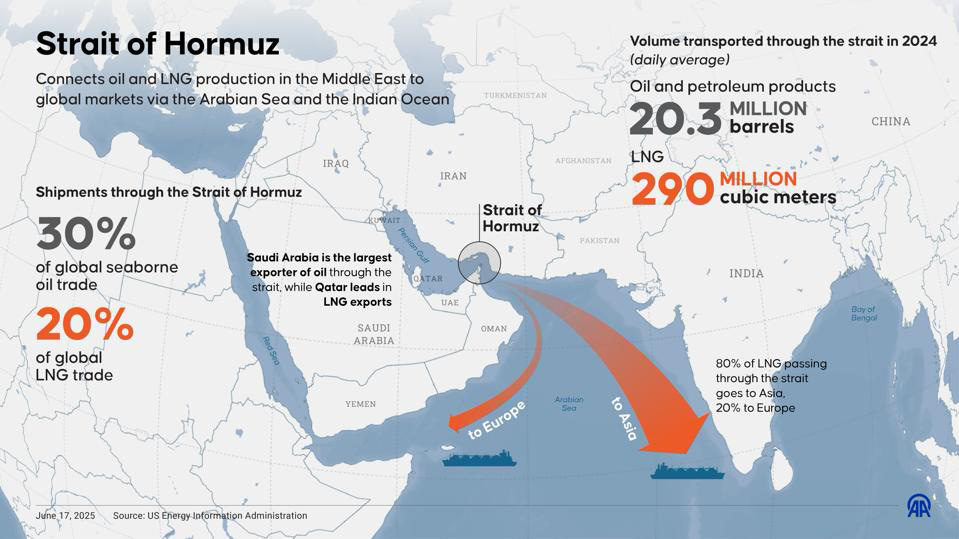
Oil, while treated like tap water in much of the West, is far from a mere commodity; it’s the lifeblood of global economies and a primary driver of Middle Eastern conflicts. The region holds about 48% of the world’s proven oil reserves, making it indispensable for energy-hungry powers. When wars erupt (correction: “conflicts” and “resolutions”), watch for disruptions in key chokepoints like the Strait of Hormuz, through which 20-30% of global oil shipments pass. A blockade here could spike prices to $100+ per barrel, as modeled in scenarios where Iran escalates tensions with the U.S. or Gulf states. Recent escalations, such as U.S.-Israel strikes on Iran in 2026, have already halted tanker traffic, renewing fears of an oil shock that could fuel global inflation.
China, the world’s largest oil importer, sources 46% of its crude from the Middle East (about 5.2 million barrels per day in 2023), with Saudi Arabia and Iraq as top suppliers. Beijing circumvents U.S. sanctions on Iranian oil through “dark fleets” and transshipments in Malaysia and the UAE, importing up to 1.4 million barrels daily in early 2024. Russia, meanwhile, leverages its own production to offset sanctions from the Ukraine war, forming energy alliances with OPEC+ nations like Saudi Arabia to stabilize prices amid geopolitical turmoil. These dependencies mean conflicts often serve to secure supply chains or punish rivals—think of the 2019 drone attacks on Saudi Aramco facilities, which halved output temporarily and exposed vulnerabilities in global energy security.
For example, the U.S.-Israeli conflict with Iran has blocked the Strait of Hormuz, severely disrupting China’s oil imports and creating a “manmade crisis” that could cripple its energy supply lines.
Globalization amplifies this: As economies integrate, oil price volatility from Middle East wars ripples worldwide, affecting everything from consumer goods to central bank policies. Watch for “geopolitical risk premiums” baked into commodity prices, where events like the Russia-Ukraine conflict (which parallels Middle East dynamics) have reshaped tail risk contagion in oil markets.
The Petrodollar System: Backbone of U.S. Hegemony and Target for Challengers
The petrodollar arrangement, forged in the 1970s, underpins much of the U.S.’s global financial dominance and explains motivations behind conflicts involving oil-rich nations like Iran. In 1971, President Nixon ended the dollar’s convertibility to gold, devaluing the currency amid trade deficits and inflation. To restore stability, the U.S. struck a deal with Saudi Arabia in 1974: OPEC nations would price oil exclusively in dollars, creating artificial demand for the currency. In exchange, the U.S. provided military protection and arms. This system allowed the U.S. to finance deficits through recycled petrodollars invested in Treasuries, sustaining its reserve currency status.
Threats to this paradigm have historically prompted interventions. Nations like Iraq under Saddam Hussein, Libya under Gaddafi, and Venezuela attempted to trade oil in non-dollar currencies, facing U.S.-led regime changes or sanctions. Iran, pursuing similar de-dollarization with China and Russia via yuan-denominated trades, remains a flashpoint. In 2026, amid escalating U.S.-Iran tensions, experts link motivations for conflict to preserving petrodollar hegemony, as Iran aligns with BRICS efforts to erode dollar dominance.
Projects like the India-Middle East-Europe Corridor (IMEC), announced by Netanyahu in September 2023, aim to counter China’s Belt and Road by routing trade through Saudi Arabia to Israel’s Haifa port, securing non-dollar-dependent routes. However, 2026 updates show progress stalled by regional conflicts, including Gaza escalations and Houthi disruptions. These dynamics, highlighted in analyses like Chase Geiser’s April 2025 commentary, underscore how wars protect dollar flows while thwarting rivals’ initiatives. De-dollarization advances slowly—BRICS explores alternatives, but the dollar retains 80% of oil trades—yet Iran’s role amplifies risks.
Great Power Rivalries: US, China, and Russia Jockeying for Influence
Middle East wars are rarely isolated; they’re arenas for great powers to compete without direct confrontation. The U.S. has historically dominated through military bases (hosting 40,000-60,000 troops) and alliances like those with Saudi Arabia and the UAE, but its influence is waning as it pivots to the Indo-Pacific. This creates vacuums that China and Russia exploit.
China’s approach is economic-first: Through the Belt and Road Initiative (BRI), it has invested billions in ports and infrastructure, such as $8 billion in Egypt’s Suez Canal zone and $3.7 billion in Oman’s Duqm port. These secure trade routes for its energy imports and position Beijing as a “neutral arbiter,” brokering deals like the 2023 Saudi-Iran rapprochement. Yet, China free-rides on U.S. security while undermining American ties, portraying itself as a Global South leader against “U.S. oppression.”
Russia focuses on military leverage, intervening in Syria since 2015 to prop up Assad and secure bases like Tartus. It aligns with Iran and conducts joint naval drills in the Gulf of Oman, countering U.S. dominance. Both China and Russia promote illiberal norms through forums like BRICS and SCO, incorporating Iran to challenge the U.S.-led order. The shift from a unipolar U.S. world to multipolar great power politics heightens risks, with events like the Arab Spring evolving from isolated uprisings to paradigm-shifting disruptions.
Proxy Wars and Puppet Fights: Indirect Battles for Control
Direct wars between superpowers are rare; instead, they fund proxies to advance interests. Iran’s network—including Hezbollah in Lebanon, Houthis in Yemen, and militias in Iraq—serves as a counter to U.S.-backed Saudi Arabia and Israel. The Yemen conflict, for instance, is a Saudi-Iran proxy war that has destabilized the region since 2015, with Houthi attacks on shipping in the Red Sea forcing reroutes and inflating costs.
China indirectly supports this through dual-use tech sales to Iran, enabling drone and missile programs used by proxies like the Houthis. Russia deploys private military companies (PMCs) like Wagner in Syria and potentially Afghanistan to back regimes without full commitment. These “double proxy wars” allow deniability while exhausting rivals—U.S. forces in Iraq face attacks from Iran-backed Popular Mobilization Forces (PMF), escalating tensions without formal war. Watch for alignments against common threats like ISIS, where powers temporarily cooperate, but underlying rivalries persist.
The Military Industrial Complex: Profiting from Perpetual Conflict
Wars fuel a lucrative arms trade, with the U.S. leading sales ($71.5 billion from 2014-2020), followed by Russia ($39.5 billion). China emerges as a competitor, exporting drones to Saudi Arabia and the UAE as cheaper alternatives. This complex—encompassing defense contractors and lobbyists—benefits from instability, as seen in U.S. Patriot missile deployments to counter Iranian threats.
Regime change operations keep puppets “guessing,” with historical examples like the U.S.-backed overthrow of Iran’s Mossadegh in 1953 or support for anti-Assad forces in Syria. Today, U.S. drawdowns in Iraq risk ISIS resurgence, prompting Russia and China to hedge with PMF or government support. These interventions ensure compliant leaders who secure oil flows and alliances.
Financial Flows: Money, World Banks, and Globalization’s Dark Side
Conflicts in the Middle East are not just funded but engineered through predatory global banks and sanctions evasion tactics that trap nations in endless debt cycles. China’s aggressive de-dollarization push, trading oil in yuan with Iran and Saudi Arabia, directly assaults U.S. financial hegemony, but it’s the World Bank and IMF’s “loans” that act as weapons of exploitation. These institutions dangle aid with brutal strings attached—demanding austerity measures, privatization of resources, and open markets that favor Western corporations—while embedding influence through crushing debt, like the $10.5 billion dumped on Iraq in 2021, ensuring perpetual servitude.
Globalization doesn’t just weaponize economics; it turns sanctions on Russia and Iran into tools that reroute oil to China, fragmenting markets and starving local populations. Proxy wars bleed resources dry, allowing banks to swoop in with “reconstruction loans” that profit from the rubble—post-Arab Spring, the World Bank flooded fragile states with aid that locked them into exploitative cycles, exacerbating inequalities and fueling further unrest. Track these capital flows closely: Even “green” investments, like China’s solar projects in Dubai, mask shifts from oil dependency, but ongoing conflicts deliberately delay real transitions, keeping the region hooked on volatile fossil fuels and vulnerable to manipulation. This isn’t aid; it’s a rigged system designed to perpetuate poverty and conflict for elite gain.
Globalist Institutions: Shaping Dependencies and Exploiting Instability
Supranational bodies and financial behemoths like the WEF, WTO, and World Bank don’t just amplify globalization’s grip on Middle East conflicts—they orchestrate it, prioritizing elite profiteering over human lives and regional sovereignty. The WEF’s Davos circus peddles “connectivity” amid bloodshed, but it’s a facade for anti-humanity bias, democratic deficits, and proxy war narratives that favor global vultures over national autonomy. WTO “accession” for post-conflict states binds them to trade rules that gut local industries, while World Bank “reports” on war devastation pave the way for loans that entrench Western dominance and exacerbate inequalities.
Asset managers like BlackRock and Vanguard aren’t investors—they are war profiteers, gorging on Middle East volatility through stakes in oil and arms that fuel genocide. BlackRock’s $11 billion grab in Saudi Aramco’s Jafurah gas project and Vanguard’s holdings in regional IPOs directly tie global finance to conflict zones, raking in billions from arms sales to Israel amid Gaza’s devastation. Historically, families like the Rothschilds have wielded outsized influence on finance and oil, financing wars and empires from early Russian oil ventures to Napoleonic campaigns, to a debated modern influence today. These entities don’t foster growth; they engineer dependencies that sustain debt traps and reconstruction rackets, enriching elites while dooming regions to endless instability and bloodshed.
Terrorism as a Geopolitical Instrument: Fueling Chaos for Control
Iran funds international terrorism, supporting groups like Hezbollah, Houthis, and Hamas with over $700 million annually to Hezbollah alone and $100+ million to Houthis. This enables proxy attacks, like Houthi Red Sea disruptions, advancing Iran’s anti-U.S. agenda. However, the U.S. has historically contributed: CIA support for Mujahideen in 1980s Afghanistan birthed Al-Qaeda precursors, and interventions in Iraq/Syria aided ISIS rise. Globalism exploits Islamic terrorism for manipulation, fueling the anarcho in anarcho-totalitarianism through chaos that justifies control—e.g., post-9/11 surveillance expansions or using terror to fragment societies. Indirectly related, 2026 intelligence reports highlight Iranian sleeper cells in the U.S., activated amid escalations, posing domestic risks.
Conclusion: Seeing Through the Fog of War
When Middle East wars start, don’t stop at the who and what—probe the why. Oil secures energy futures, proxies allow plausible deniability, and financial webs sustain the cycle. Great powers like China and Russia challenge U.S. dominance in this multipolar arena, often at the expense of regional stability. Globalist institutions embed dependencies, the petrodollar guards hegemony, and terrorism serves as a manipulated tool for control. Critically evaluate sources: Media narratives may reflect biases, so cross-reference with economic data and geopolitical analyses. By focusing on these undercurrents, you’ll better anticipate how local sparks ignite global fires.
References
- “Strait of Hormuz oil shipments percentage,” U.S. Energy Information Administration, https://www.eia.gov/todayinenergy/detail.php?id=65504.
- “Russia OPEC+ alliances 2024 sanctions Ukraine,” Reuters, https://www.reuters.com/business/energy/russian-push-opec-action-pause-met-no-saudi-resistance-sources-say-2025-11-03.
- “US Israel strikes on Iran 2026 news,” Reuters, https://www.reuters.com/world/middle-east/israel-says-it-launched-pre-emptive-attack-against-iran-2026-02-28.
- “China oil imports from Middle East 2023,” U.S. Energy Information Administration, https://www.eia.gov/todayinenergy/detail.php?id=61843.
- “Nixon gold standard end 1971 reasons,” Federal Reserve History, https://www.federalreservehistory.org/essays/gold-convertibility-ends.
- “petrodollar Saudi Arabia US deal 1974,” Office of the Historian, U.S. Department of State, https://history.state.gov/milestones/1969-1976/nixon-shock.
- “US interventions Iraq Libya Gaddafi oil currency,” Council on Foreign Relations, https://www.cfr.org/backgrounder/libya.
- “Iran de-dollarization yuan trades China Russia 2026,” Reuters, https://www.reuters.com/world/china/iraq-was-top-target-chinas-belt-road-2021-study-2022-02-02.
- “US CIA overthrow Mossadegh Iran 1953,” CIA, https://nsarchive2.gwu.edu/NSAEBB/NSAEBB435.
- “IMEC corridor Netanyahu announcement 2023,” The Times of Israel, https://www.timesofisrael.com/greatest-cooperation-project-in-our-history-pm-lauds-new-us-led-transport-corridor.
- “IMEC corridor progress stalled 2026 Gaza Houthis,” Reuters, https://www.reuters.com/world/middle-east/middle-east-oil-shipping-costs-surge-all-time-high-us-iran-conflict-intensifies-2026-03-02.
- “US military bases Middle East troop numbers 2026,” Reuters, https://www.reuters.com/world/middle-east/us-military-facilities-middle-east-2026-02-28.
- “China BRI investments Egypt Suez Canal Oman Duqm port,” Middle East Institute, https://mei.edu/publication/chinas-growing-maritime-presence-egypts-ports-and-suez-canal.
- “China brokered Saudi Iran rapprochement 2023,” Al Jazeera, https://www.aljazeera.com/news/2023/3/11/changing-global-order-china-restores-ties-with-iran-and-saudi.
- “Russia Syria intervention 2015 Tartus base,” Wikipedia, https://en.wikipedia.org/wiki/Russian_intervention_in_the_Syrian_civil_war.
- “Iran proxies Hezbollah Houthis Iraq militias,” Council on Foreign Relations, https://www.cfr.org/articles/irans-regional-armed-network.
- “Yemen conflict Saudi Iran proxy war 2015 Houthi Red Sea attacks,” Council on Foreign Relations, https://www.cfr.org/global-conflict-tracker/conflict/war-yemen.
- “China dual-use technology sales Iran drones missiles Houthis,” Reuters, https://www.reuters.com/business/energy/latest-us-sanctions-iranian-oil-deal-blow-chinas-sinopec-2025-10-10.
- “Russia Wagner PMC Syria Afghanistan,” Wikipedia, https://en.wikipedia.org/wiki/Wagner_Group_activities_in_Syria.
- “US forces Iraq attacks by Iran-backed PMF 2026,” Reuters, https://www.reuters.com/world/middle-east/iran-russia-hold-joint-naval-drills-amid-fears-us-could-strike-soon-saturday-2026-02-18.
- “US arms sales global 2014-2020,” SIPRI, https://www.sipri.org/sites/default/files/2021-03/fs_2103_at_2020_v2.pdf.
- “Russia arms sales global 2014-2020,” SIPRI, https://www.sipri.org/sites/default/files/2021-03/fs_2103_at_2020_v2.pdf.
- “China drone exports Saudi Arabia UAE,” Forbes, https://www.forbes.com/sites/dominicdudley/2018/12/17/china-fueling-drones-arms-race-middle-east.
- “US Patriot missile deployments Iran threats,” ABC News, https://abcnews.com/Politics/pentagon-deploying-patriot-anti-missile-battery-middle-east/story?id=62968486.
- “US support anti-Assad forces Syria,” BBC, https://www.bbc.com/news/magazine-33997408.
- “US troop drawdowns Iraq ISIS resurgence risk 2026,” The Wall Street Journal, https://www.wsj.com/world/middle-east/us-troops-in-iraq-mission-ends-iraq-2026-02-18.
- “China yuan oil trades Iran Saudi Arabia,” Reuters, https://www.reuters.com/business/energy/china-sinopec-wins-contract-develop-mansuriya-gas-field-oil-ministry-2021-04-20.
- “World Bank IMF loans conditions Western interests,” IMF, https://www.imf.org/en/about/factsheets/sheets/2023/imf-conditionality.
- “China BRI debt Iraq 2021,” Reuters, https://www.reuters.com/world/china/iraq-was-top-target-chinas-belt-road-2021-study-2022-02-02.
- “Sanctions Russia Iran oil rerouted to China,” Atlantic Council, https://www.atlanticcouncil.org/blogs/new-atlanticist/the-axis-of-evasion-behind-chinas-oil-trade-with-iran-and-russia.
- “World Bank aid post Arab Spring fragile states,” World Bank, https://www.worldbank.org/en/news/opinion/2021/01/14/mena-unbound-ten-years-after-the-arab-spring-avoiding-another-lost-decade.
- “WEF Davos Middle East connectivity discussions,” World Economic Forum, https://www.weforum.org/stories/2026/01/mena-the-middle-east-and-north-africa-davos-2026.
- “WTO accession benefits fragile states post-conflict,” WTO, https://www.wto.org/english/res_e/booksp_e/pathways_sustainable_tfp_ch01_e.pdf.
- “World Bank reports economic devastation wars Middle East,” World Bank, https://www.worldbank.org/en/news/press-release/2024/11/14/new-world-bank-report-assesses-impact-of-conflict-on-lebanon-s-economy-and-key-sectors.
- “BlackRock investment Saudi Aramco Jafurah gas project,” Reuters, https://www.reuters.com/business/energy/aramco-signs-11-billion-jafurah-deal-with-blackrock-led-consortium-2025-08-14.
- “Vanguard holdings Middle East IPOs,” Bloomberg, https://www.bloomberg.com/news/articles/2022-05-10/blackrock-to-vanguard-global-funds-rush-to-middle-east-ipo-boom.
- “Rothschild family historical influence finance oil,” Wikipedia, https://en.wikipedia.org/wiki/Rothschild_family.
- “Iran funding Hezbollah Houthis Hamas annual amounts,” FDD, https://www.fdd.org/analysis/2018/01/10/iran-spends-16-billion-annually-to-support-terrorists-and-rogue-regimes.
- “CIA support Mujahideen Afghanistan 1980s Al Qaeda origins,” Wikipedia, https://en.wikipedia.org/wiki/Operation_Cyclone.
- “US interventions Iraq Syria role in ISIS rise,” Wilson Center, https://www.wilsoncenter.org/article/timeline-the-rise-spread-and-fall-the-islamic-state.
- “Globalism exploitation Islamic terrorism anarcho-totalitarianism,” JSTOR, https://www.jstor.org/stable/26297432.
Comments